
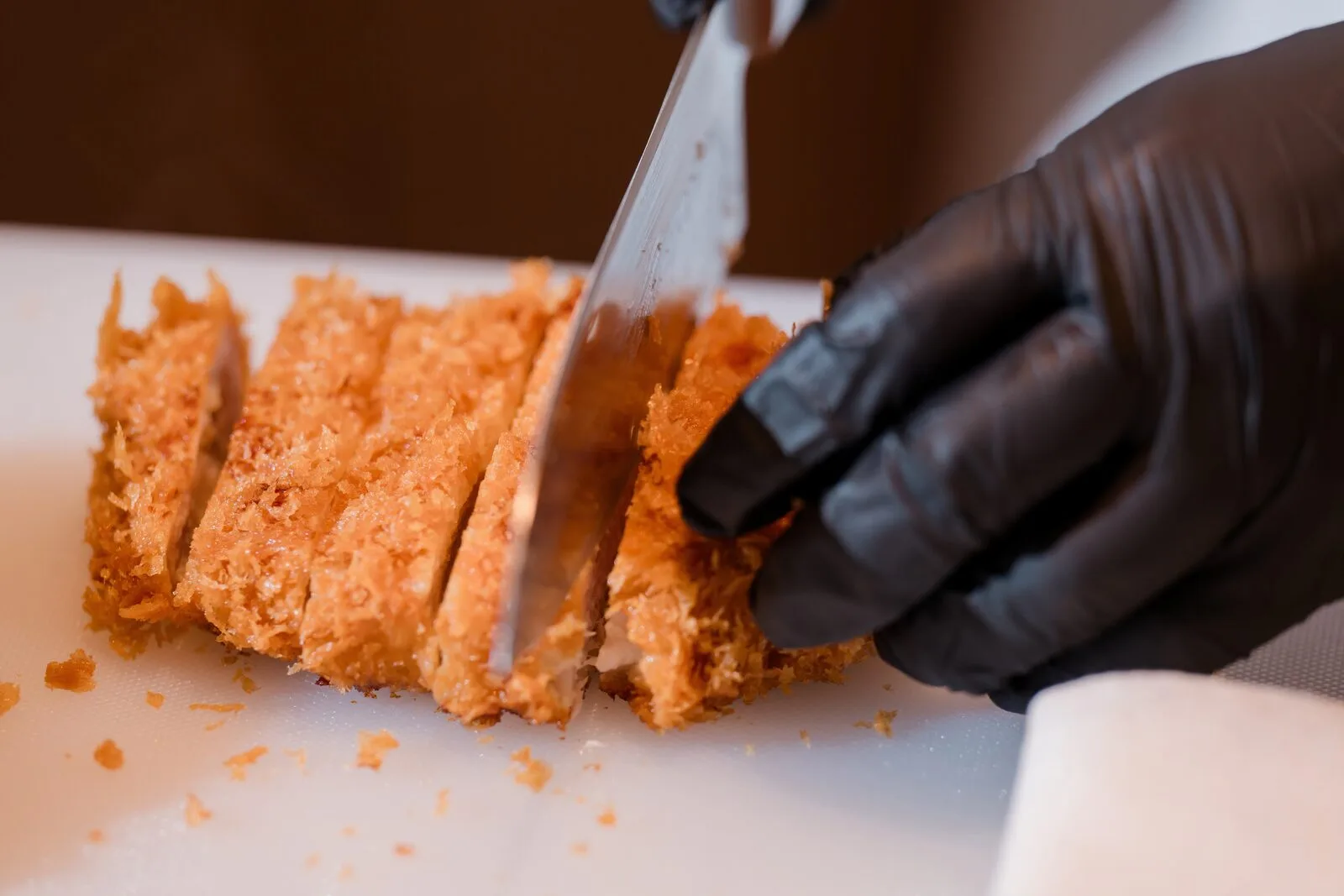
The knife comes down and the golden crust breaks with a clean, dry snap. Inside, the meat is still tender and glistening with juice. It sounds like nothing more than breaded, fried pork, yet the gap between a tonkatsu that lands and one that falls short lies in the smallest of details.
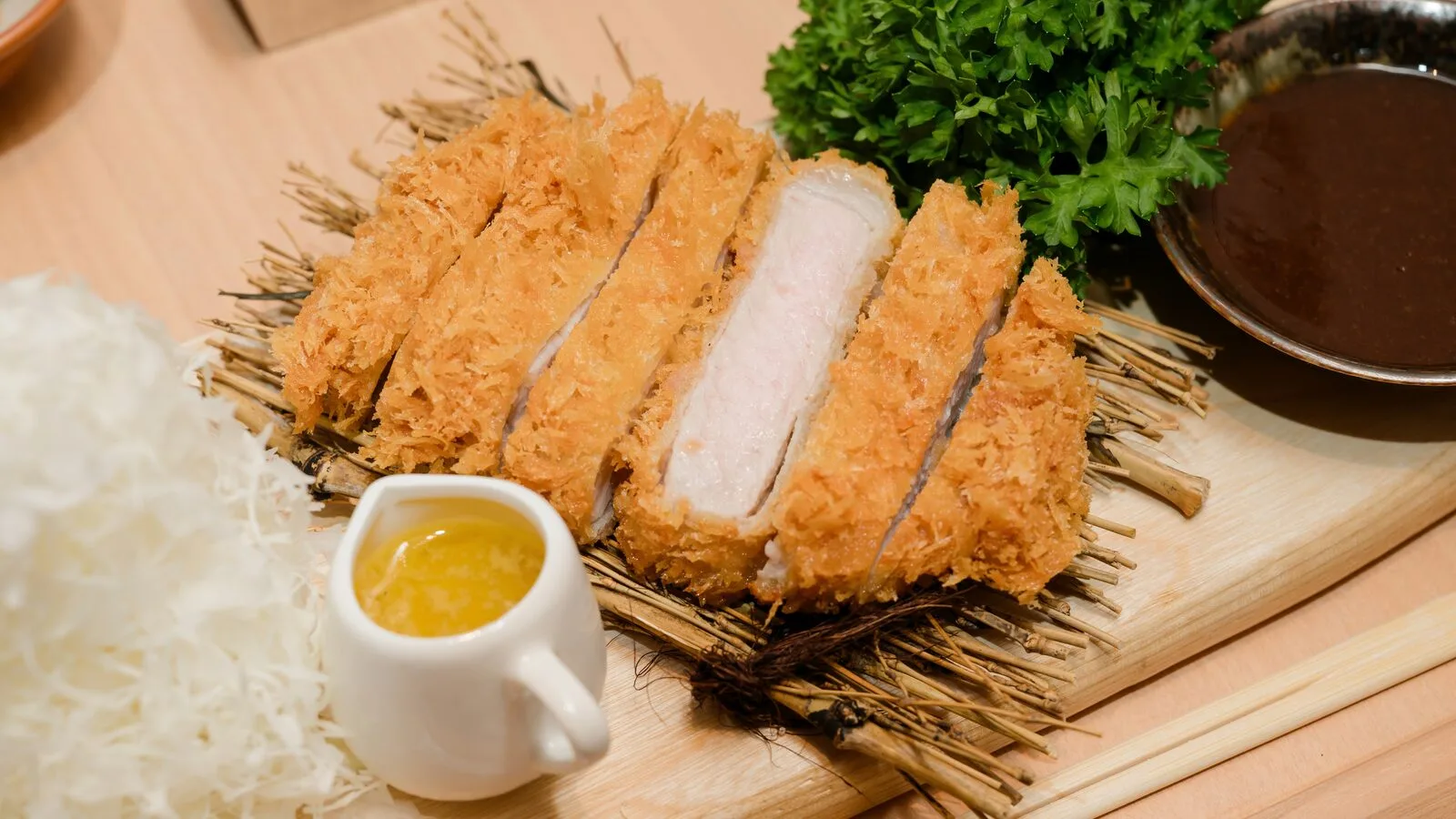
Tonkatsu combines ton, meaning pork, with katsu, the Japanese rendering of the English word “cutlet.” The name already hints at its origins: this began as a European dish that the Japanese took in and remade in their own way until it became fully Japanese. In Saigon, you can find a proper version at Tonkatsu Ineya on Thao Dien street.
From a European dish to a Japanese one
In the late nineteenth century, as Japan opened up to the West, restaurants in Tokyo began experimenting with European-style breaded, fried meat. The original version used veal, pan-fried in a little oil and eaten with a knife and fork.
The Japanese changed almost everything. They switched to pork, deep-fried it instead of pan-frying, cut it into ready-to-eat pieces for chopsticks, and served it with white rice and shredded cabbage. The result was an entirely different dish, part of the yōshoku tradition that Japanese cuisine has built over more than a century of borrowing and adaptation.
Tonkatsu is a European dish that has stayed in Japan so long it has forgotten it was ever a guest.
The four things that make a tonkatsu
At a glance there is only meat, breading and oil. But every step has room to go wrong:
- The cut and its thickness. The two classic cuts for tonkatsu are loin (rōsu), which has a ribbon of fat running through it and so is richer and fuller in flavor, and tenderloin (hire), the lean, tender cut with a cleaner taste. The piece needs to be thick enough that the inside stays juicy once the crust has turned golden, but not so thick that it cooks unevenly.
- Panko breading. This is the biggest difference from ordinary breadcrumbs. Panko is made from crustless bread, giving large, airy, light flakes. When fried, it forms a crust full of tiny gaps, so it stays crisp longer and absorbs less oil.
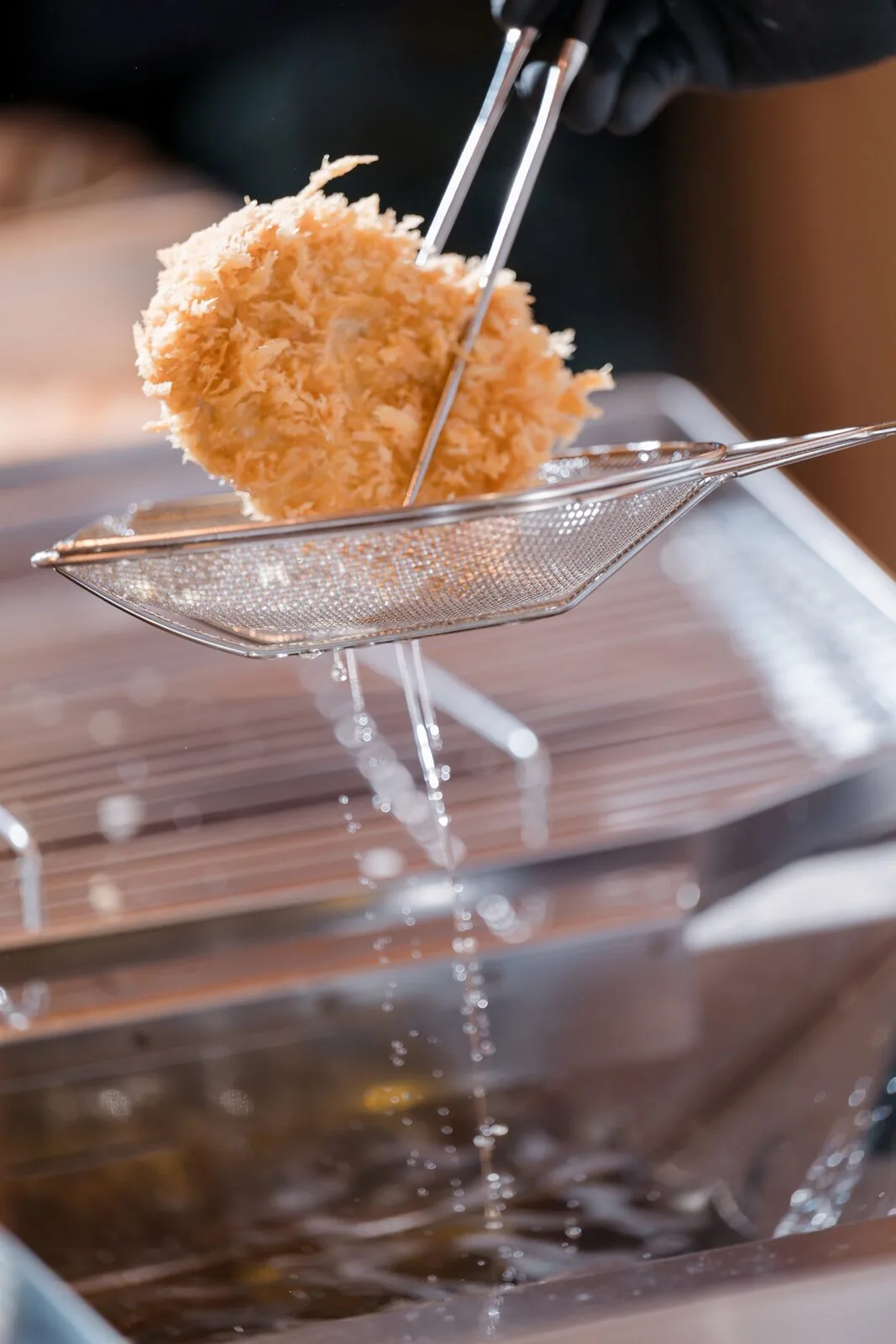
- Oil temperature, often in two stages. Many kitchens fry first at a moderate heat to cook the meat from the inside, then rest it and fry again quickly at high heat to make the crust golden and crisp. This keeps the inside moist while leaving the outside dry.
- Resting after frying. The cutlet needs a few minutes for the juices inside to redistribute. Cut it the moment it leaves the oil and the juices run out onto the board, leaving the meat dry.
No single step is complicated, but all four have to be right at the same time. That is why specialist tonkatsu shops in Japan often make nothing else.
The plate of cabbage is not a garnish
Every tonkatsu comes with a plate of finely shredded raw cabbage, and many people treat it as a token vegetable on the side. In fact it is carefully considered.
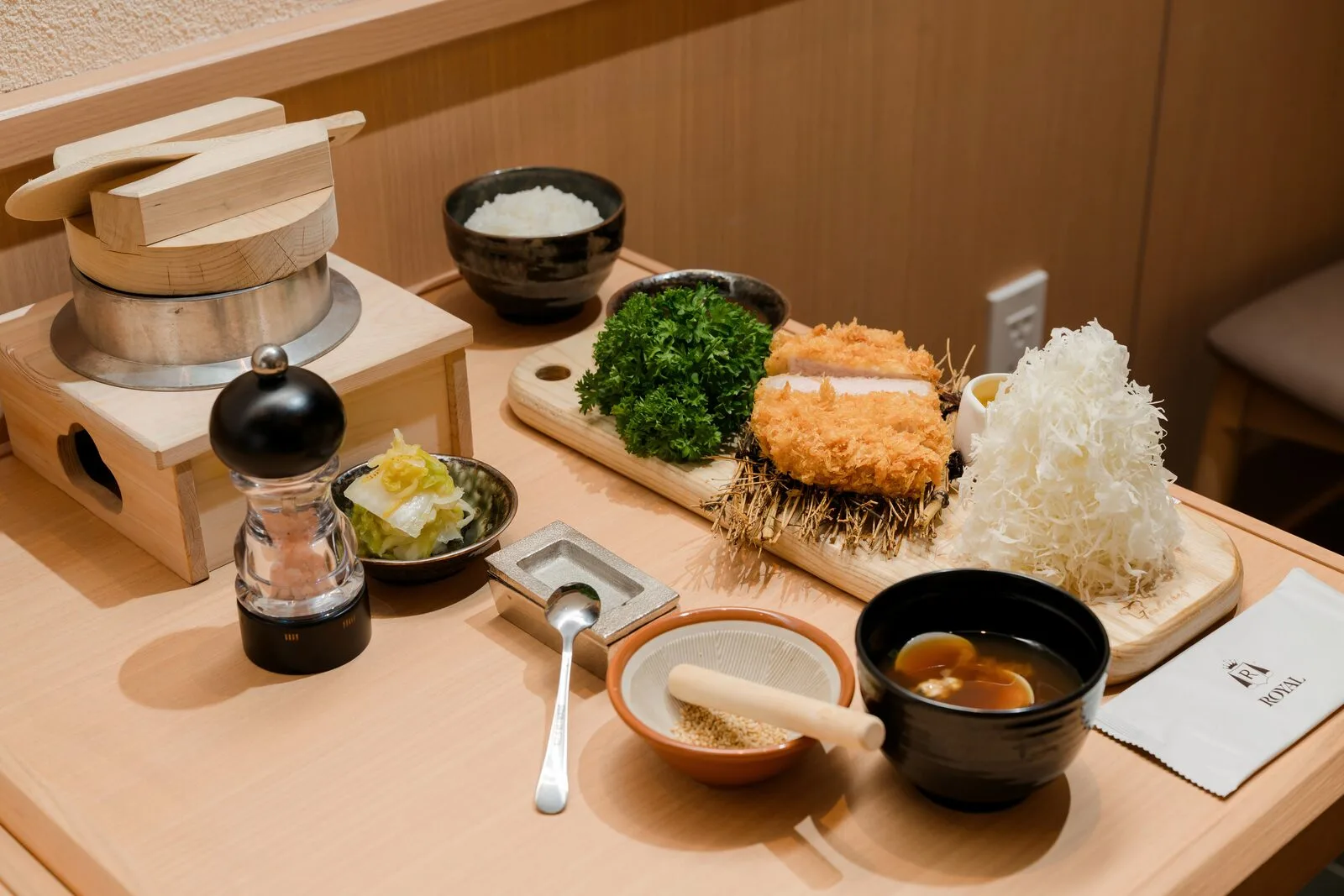
Raw cabbage is lightly sweet and full of water, which tempers the richness of the fried cutlet and keeps the palate fresh between bites. The finer the shred, the lighter it feels, so the skill of whoever cut it is part of the quality of the meal. At many Japanese shops the cabbage is refilled at no charge, and diners eat it in alternation with the meat throughout the meal.
The other pairing is a bowl of thick tonkatsu sauce, sweet and tangy with the depth of fruit and vegetables, plus a touch of yellow mustard if you like an extra layer of gentle heat. In some places you are handed a mortar and roasted sesame seeds to grind yourself before pouring in the sauce, and the aroma that rises transforms the bowl entirely.
Not just katsu
A specialist tonkatsu shop usually expands around the same frying technique, and the menu at Tonkatsu Ineya follows exactly that path.
Alongside the signature pork katsu there is ebi fry, prawns rolled in panko and fried crisp with a clear sweetness, and other fried seafood dishes for those who want a change. The Japanese curry section is a direction of its own: a thick, mild and slightly sweet curry ladled over white rice with a piece of katsu placed on top.
Most dishes are served as a rice set with rice, soup and pickles, so you get a complete meal without ordering anything extra. The restaurant also offers takeaway, convenient for an office lunch or dinner at home.
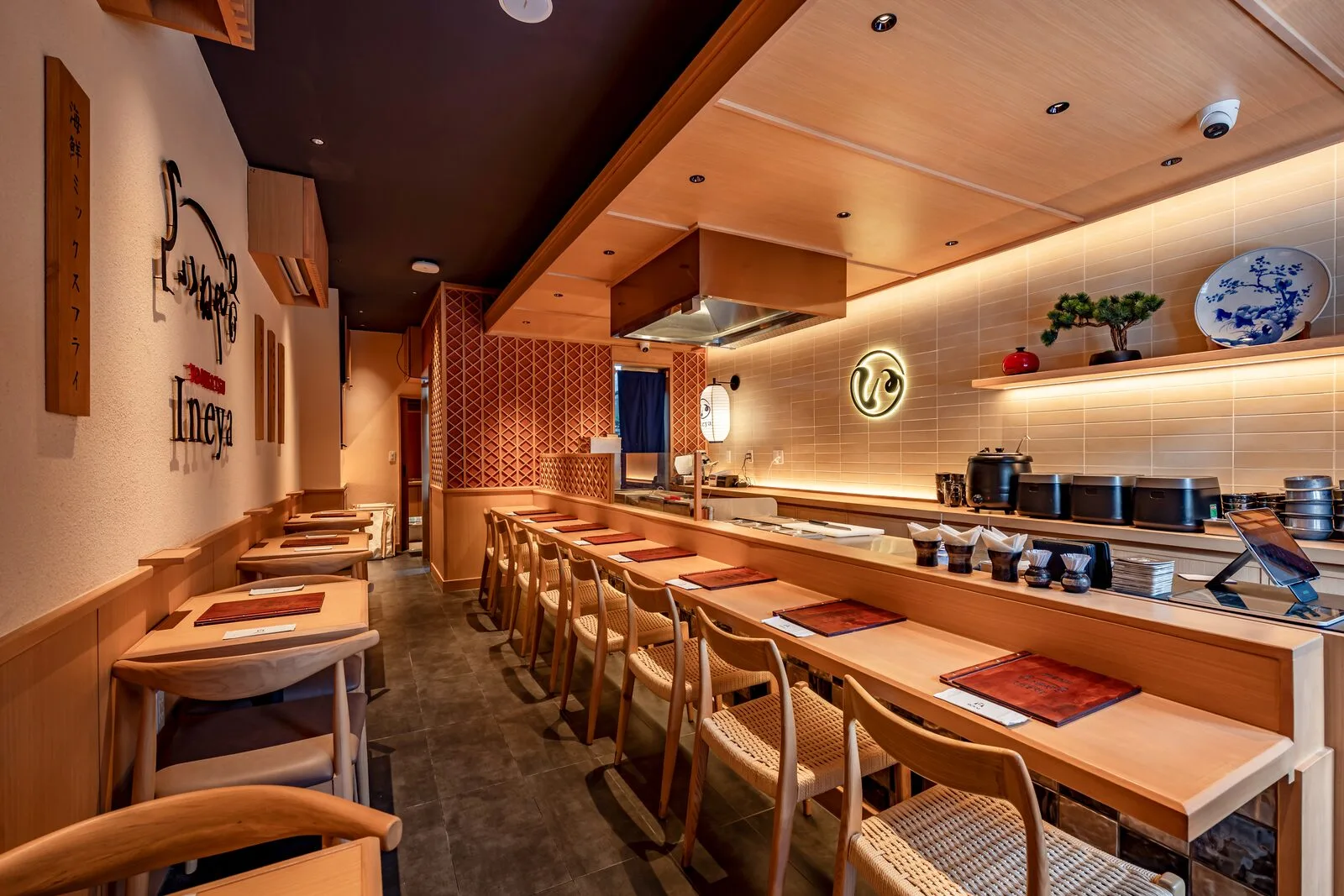
Tonkatsu Ineya is the dedicated tonkatsu address within the Royal Sojitz group, serving pork katsu, fried prawns, fried seafood, Japanese curry and generous rice sets. The space is warm and welcoming, well suited to a quick lunch, a family dinner and takeaway alike.
Behind a pot of oil
Fried food has a quality few people notice: it lays bare the standard of the preparation right away. Old oil gives a dark crust and a harsh smell. Poorly stored meat gives a dry katsu. Panko left too long loses its airiness and the crust turns dense.
At Tonkatsu Ineya, it starts with the quality of the meat and how it is portioned, so that each piece has a consistent thickness and cooks evenly. Next comes oil management, both temperature and how often it is changed, because this is what decides the color and smell of the crust.
The final part belongs to the rhythm of service: fried food is at its best in the first few minutes, so the kitchen and the dining area need to work together to get your dish to you while the crust is still fully crisp. That is the kind of coordination you only get when a kitchen repeats one thing well every day, in the shared spirit of omotenashi across the Royal Sojitz group.
How to enjoy tonkatsu fully
There are no hard rules, but a few small habits will make the meal better.
Taste a plain bite before dipping it in anything. This is when you can feel the sweetness of the meat and the crispness of the crust in their cleanest state, and it gives you a reference point for comparison once you add sauce.
Dip the edge lightly rather than plunging the whole piece. Tonkatsu sauce is fairly strong; too much of it overwhelms the meat and softens the panko quickly.
Eat in alternation with the cabbage and white rice. A rhythm of meat, vegetable, rice and back to meat carries you through the whole meal without feeling heavy, exactly the way a Japanese meal is designed.
And eat as soon as it is served. The panko crust is at its crispest in the first few minutes; left too long, it draws in moisture from the meat itself.
Frequently asked questions about tonkatsu
A hot plate of katsu in Thao Dien
Tonkatsu does not try to impress through elaborateness. It simply does one very hard thing exactly right: keeping a dry, crisp crust on the outside and juicy meat on the inside, in the very same piece. When you meet a plate made to that standard, you will know from the first sound of the knife.
Discover more of the restaurants in the Royal Sojitz group, or read the introduction to the full collection of Japanese restaurants.
Read more: Another hot dish for a busy day, ramen in a beef-bone broth in District 1.