
Steam rises from the bowl, carrying the scent of a broth that has been simmering since dawn. You take a sip and suddenly realize: this is no “restaurant-grade instant noodle” – it is the distillation of hours at the stove. A good bowl of ramen is so unassuming that you forget the sheer craft behind it.
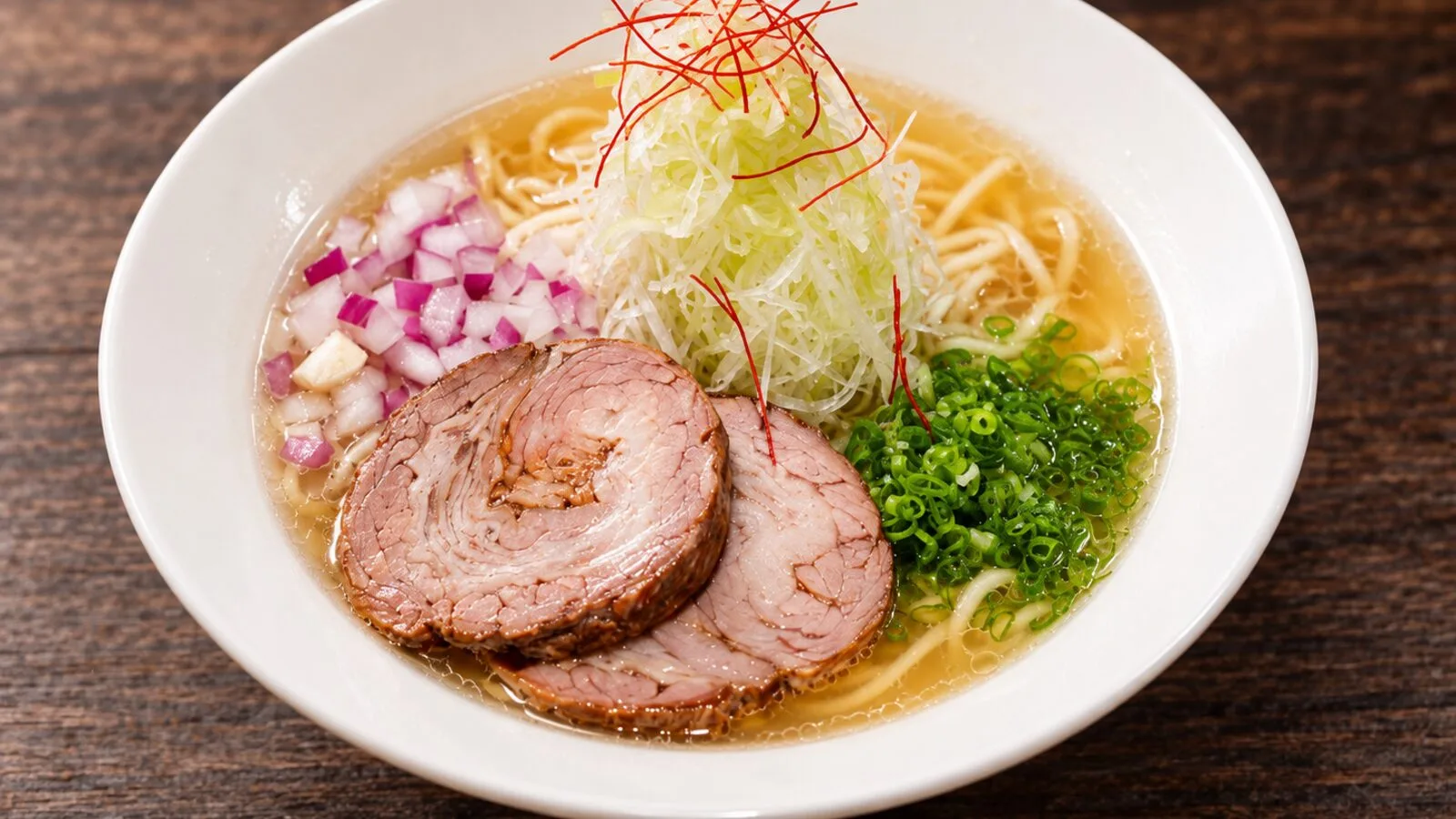
In Japan, ramen is an everyday dish: a quick lunch for office workers, a warming late-night meal after clocking out. But “everyday” does not mean careless. A serious ramen shop like Ramen Ineya can spend an entire morning just simmering a single pot of broth. Let’s explore what makes a bowl of ramen truly great, and why this seemingly simple dish has won over the whole world.
Ramen is more than just “noodle soup”
At a glance, a bowl of ramen is only noodles, broth and a few toppings. But every component is a decision. Ramen is the balance of four elements working in harmony: the broth, the seasoning base (tare), the noodles and the toppings. Change any one of the four and you have a completely different bowl.
That is why ramen carries its own character in every region of Japan, and why each shop guards its “broth recipe” like a secret. At Ramen Ineya, that character lies in an uncommon choice: a broth simmered from beef bones.
A good bowl of ramen is so unassuming that you forget how many hours at the stove lie behind it.
The soul is in the broth
If one thing decides a bowl of ramen, it is the broth. It is also the most labor-intensive part: the bones are simmered continuously for hours over a gentle flame, so the marrow and the cartilage slowly melt into the liquid, creating a deep sweetness and a natural richness that no seasoning powder can replace.
Most of the world’s famous ramen uses a pork-bone broth (tonkotsu). Ramen Ineya takes a path of its own: a beef-bone broth (gyukotsu) – full-bodied, lingering in its sweetness, and close to the Vietnamese palate that is already familiar with pots of bone-simmered stock. It is that small detail that makes the ramen here at once novel and familiar, easy to fall for from the very first sip.
Four broth styles worth knowing
Before you order, knowing a little about the broth “styles” will help you pick the bowl that suits you:
- Shoyu (soy sauce). A clear, delicate broth with the depth of fermented soy – the classic ramen of Tokyo.
- Miso (fermented soybean paste). Rich, creamy, slightly sweet and deeply warming – perfect for cooler weather, born in Hokkaido.
- Shio (salt). Light and crystal-clear, letting the natural sweetness of the bone stock shine through.
- Tonkotsu / gyukotsu (pork bone / beef bone). A thick, bone-simmered broth, rich and deeply sweet – the style Ramen Ineya pursues with its signature beef-bone stock.
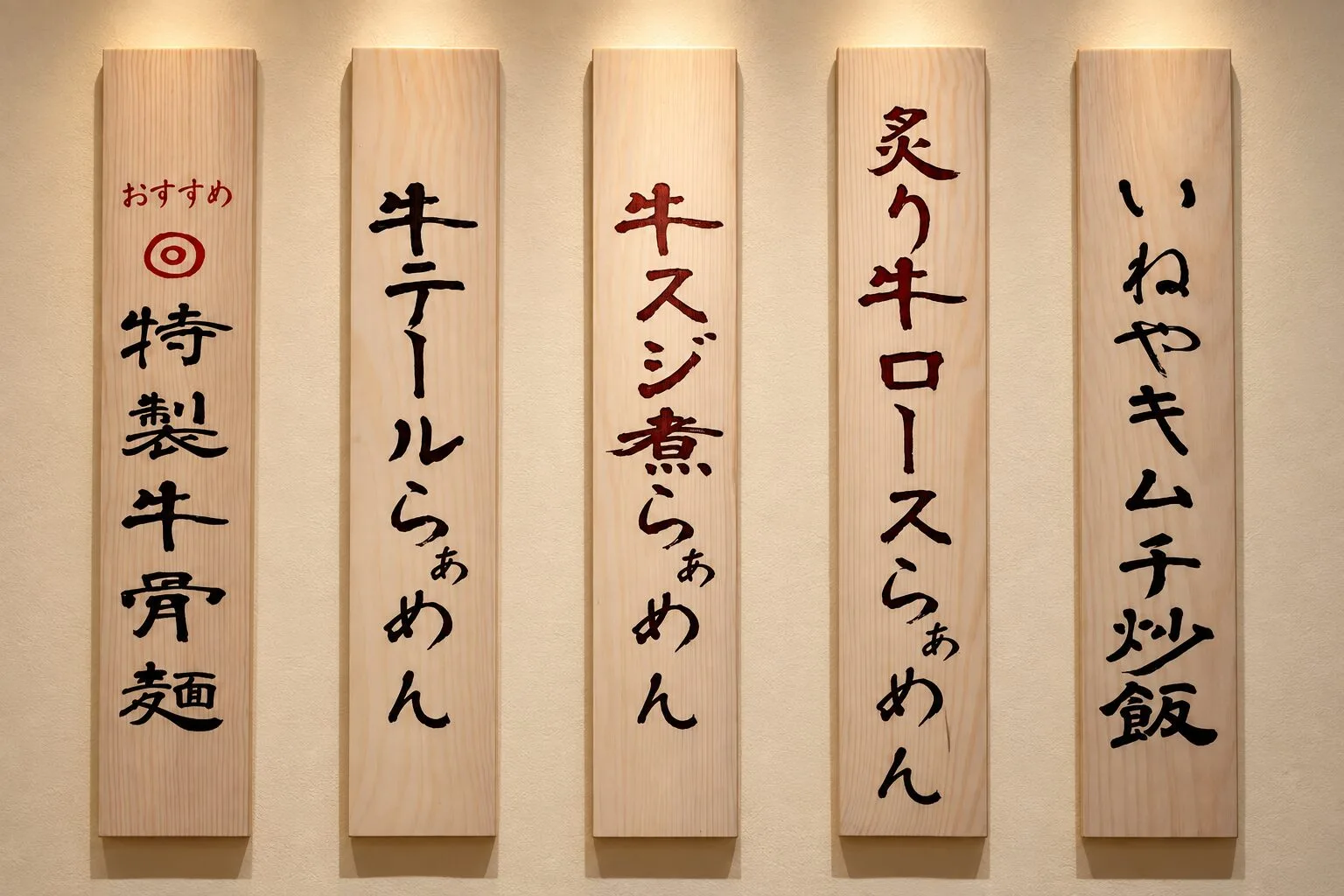
Noodles & toppings: the details that make the bowl
Ramen noodles are made from wheat flour together with kansui – an alkaline water that gives them their signature chew and light golden hue. The noodles must “match” the broth: the richer the broth, the thicker the noodle tends to be so it holds its texture. At Ramen Ineya, the noodles have just the right chew, wrapping themselves in the beef-bone broth with every pull.
On top sit the familiar toppings, each adding a layer of flavor: tender chashu pork, a soft-boiled marinated egg, dried bamboo shoots (menma), spring onions, seaweed. They are not just decoration – each piece is a beat of rest, making the bowl richer with every mouthful.
Not just ramen
A complete ramen meal is rarely just the bowl of noodles alone. At Ramen Ineya, alongside the signature ramen there are side dishes that pair beautifully:
- Gyoza. Japanese dumplings, thin-skinned and pan-fried to a crisp base with a juicy meat filling – the classic starter to go with ramen.
- Karaage. Japanese-style fried chicken, well marinated, with a crackling crust and meat that stays juicy.
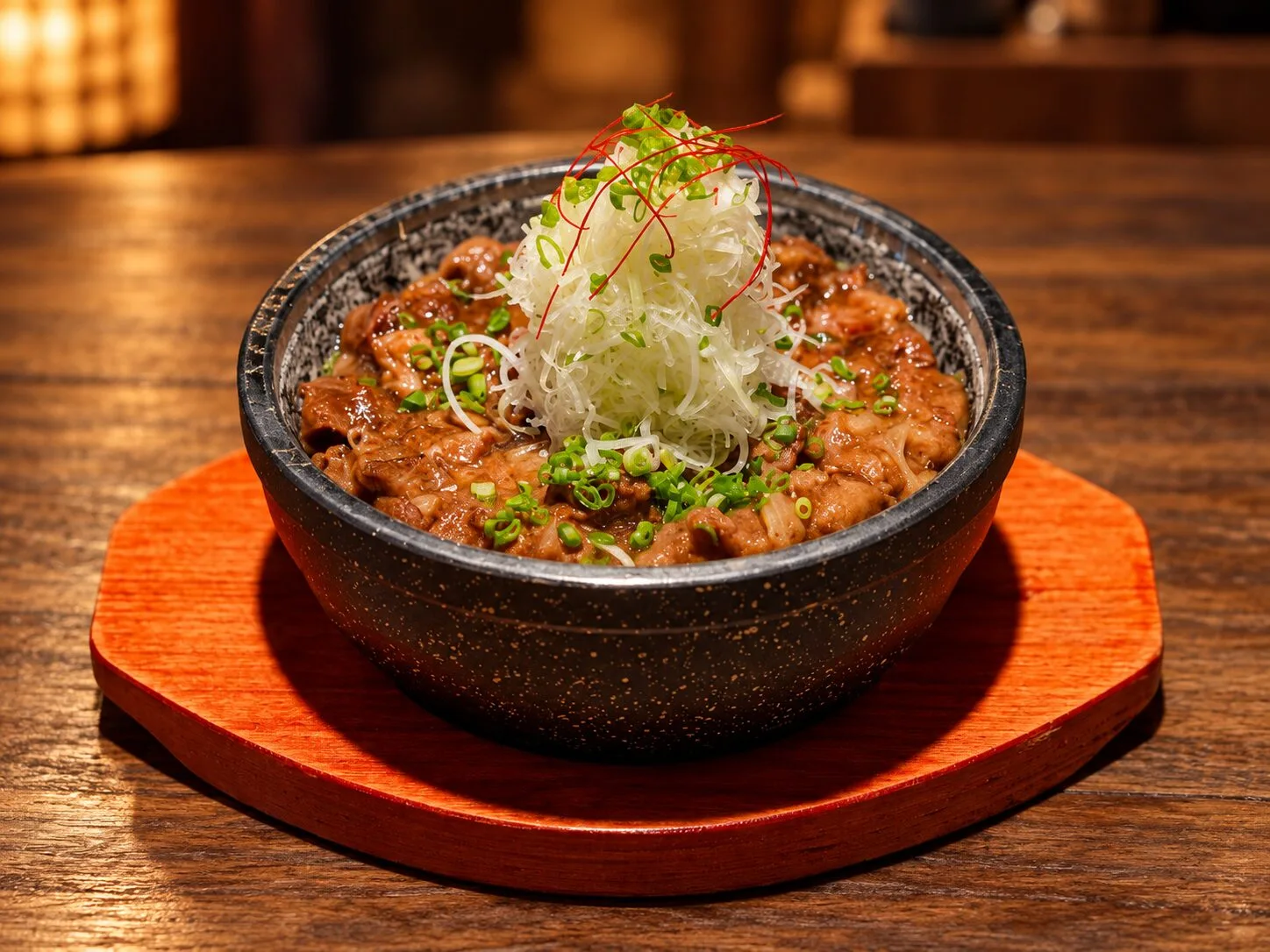
- Braised beef tendon. Meltingly tender and full of flavor, making the most of the shop’s beef-stock strengths.
- Kimchi fried rice. Gently spicy and aromatic, a filling choice to go beside your bowl of noodles.
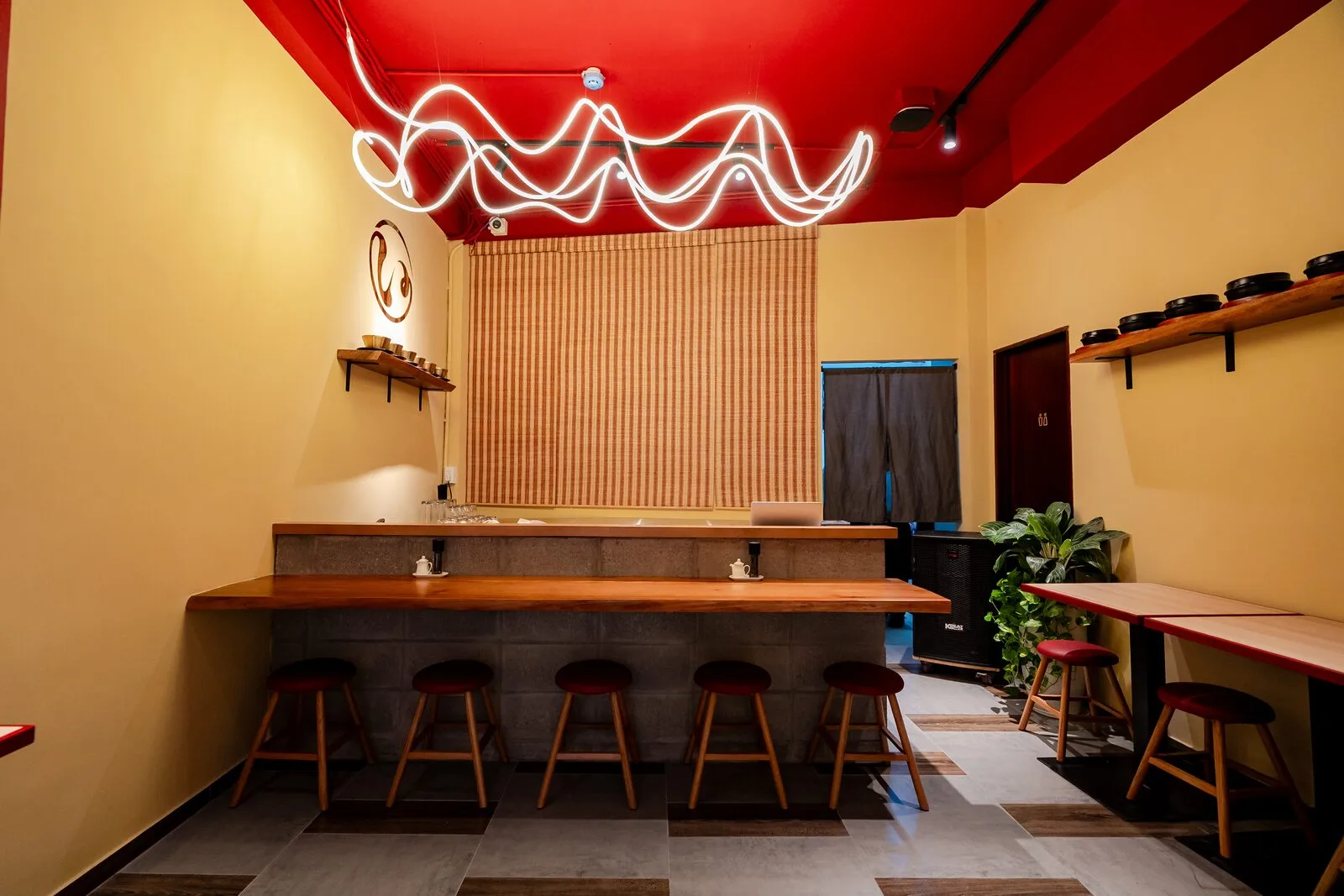
Ramen Ineya is the dedicated ramen address within the Royal Sojitz group, standing out for its carefully simmered beef-bone broth, chewy noodles and warming sides like gyoza and karaage. Set right in the Le Thanh Ton area – the heart of Saigon’s Japanese community – it is a familiar stop for both a quick lunch and an unhurried dinner.
How to enjoy a bowl of ramen the right way
Ramen is a dish to eat right away and eat wholeheartedly, no need for ceremony. A few small tips to enjoy your bowl to the fullest:
- Eat it while it’s hot. Noodles left too long in the broth swell and lose their chew – they are at their best in the first few minutes.
- Go ahead and slurp. In Japan, slurping your noodles is perfectly normal, and it even helps “pull” the aroma of the broth up to your nose.
- Taste the broth first. That first spoonful of broth lets you appreciate all the effort of the simmering pot before you mix in the toppings.
- Order extra noodles (kaedama) if the shop offers it. If you finish the noodles but still have broth left, you can order another portion of noodles so none of that delicious broth goes to waste.
Frequently asked questions about ramen
A warm bowl of noodles for a Saigon day
Ramen is a beautiful proof of the Japanese food philosophy: devotion hidden in the simplest of things. Nothing showy, just a hot bowl of noodles – but behind it is a broth simmered for hours and a serious approach to the craft that keeps faithful to the technique of the dish. In Saigon, you can find that bowl of ramen right in the heart of District 1.
Discover more restaurants in the Royal Sojitz group, or visit Ramen Ineya to slurp up a piping-hot bowl of beef-bone broth for yourself.