
In the world of Japanese cuisine, few experiences rival the intimate, sensory pleasure of yakiniku. The word itself — yaki (grilled) and niku (meat) — speaks to a tradition that elevates simplicity into art.
The Origins
Yakiniku traces its roots to post-war Japan, where Korean-style barbecue merged with Japanese culinary precision. What emerged was something entirely new: a dining ritual centered on the finest cuts, cooked by the diner themselves over glowing charcoal.
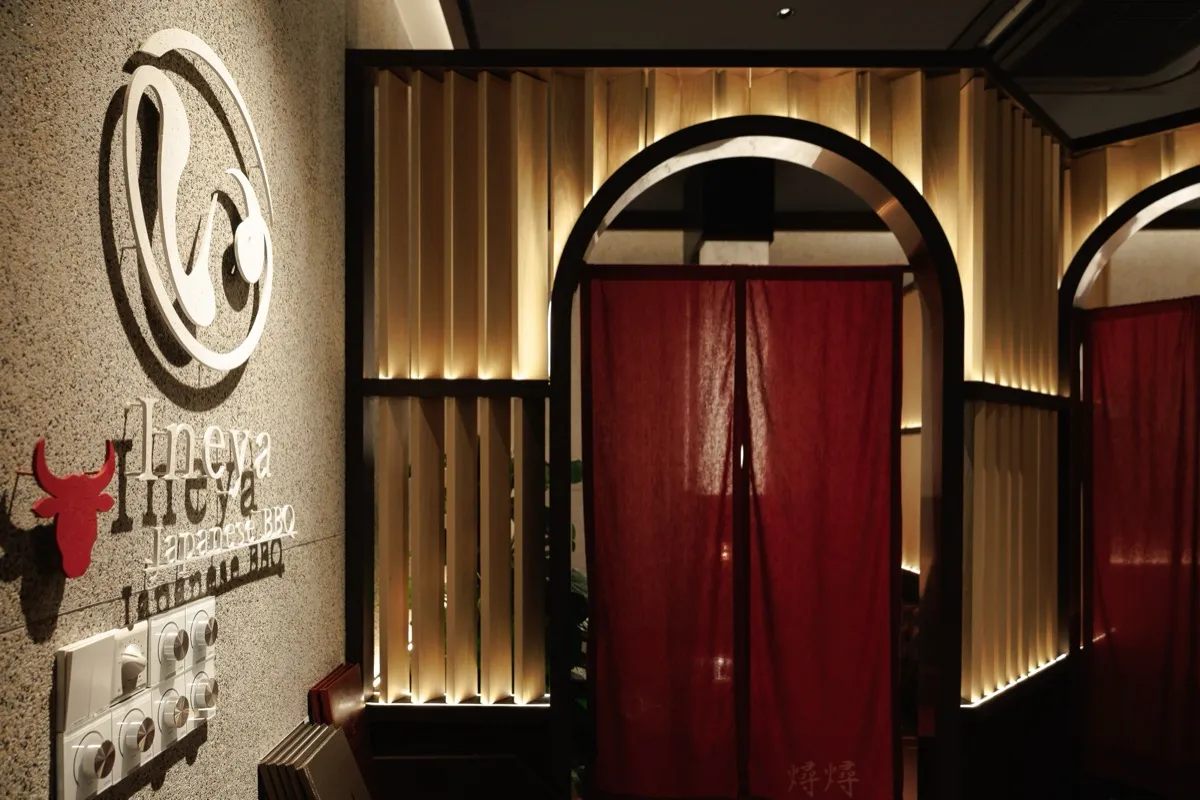
At Royal Sojitz Vietnam, we honor this tradition across two dedicated yakiniku restaurants — Premium Yakiniku Ineya and Yakiniku Ineya Ngô Văn Nam — each offering a distinct interpretation of this beloved craft.
The Cut Matters
Our chefs source A5-grade wagyu from select Japanese farms, hand-cutting each portion to optimize marbling distribution. The difference between a good yakiniku experience and an extraordinary one often comes down to millimeters of thickness and the precise angle of the cut.
“We cut against the grain at exactly 7mm for karubi. This thickness allows the fat to render completely over binchōtan charcoal while keeping the center perfectly medium-rare.”
The Charcoal
We use only binchōtan — Japanese white charcoal made from ubame oak. Unlike regular charcoal, binchōtan burns at a steady, intense heat with virtually no smoke or odor. This clean, radiant heat is what gives yakiniku its characteristic sear without overpowering the meat’s natural sweetness.
The Experience
Yakiniku is inherently social. There is no kitchen barrier between chef and guest — you are the chef. The grill at your table becomes a gathering point, a place where conversation flows as naturally as the courses. Start with lighter cuts like tongue (tan) and lean loin, then progress to richly marbled short rib (karubi) and premium sirloin.
Pair with a glass of Japanese whisky highball or a crisp Asahi, and you have an evening that engages every sense.