
Long before gas ranges and induction cooktops, there was fire and charcoal. In Japan, the art of sumibi-yaki (炭火焼き) — charcoal grilling — has been refined over centuries into a cooking philosophy that prizes patience, intuition, and deep respect for ingredients.
What Makes Sumibi Different
The word sumibi literally means “charcoal fire.” But this is no ordinary barbecue. Sumibi cooking uses binchōtan charcoal, which burns at temperatures exceeding 1,000°C while producing almost no flame. The result is pure infrared heat — a radiant, even warmth that penetrates ingredients from the inside out.
Where direct flame chars the surface and leaves the interior cold, binchōtan creates a seamless gradient of doneness. Fish skin becomes impossibly crisp while the flesh beneath stays moist and flaky. Vegetables caramelize slowly, their natural sugars deepening into complex sweetness.
Our Approach at Sumibi Ineya
At both our Sumibi Ineya locations — Phạm Viết Chánh and Trường Định — our chefs practice a seasonal approach to sumibi cuisine. The menu shifts with what’s freshest: spring brings mountain vegetables and young sweetfish; summer calls for eel and corn; autumn showcases matsutake mushrooms and Pacific saury.
Each ingredient is treated as a solo performer. Minimal seasoning — often just sea salt and a whisper of citrus — allows the charcoal’s subtle smokiness to become the primary seasoning.
The Ritual of the Counter
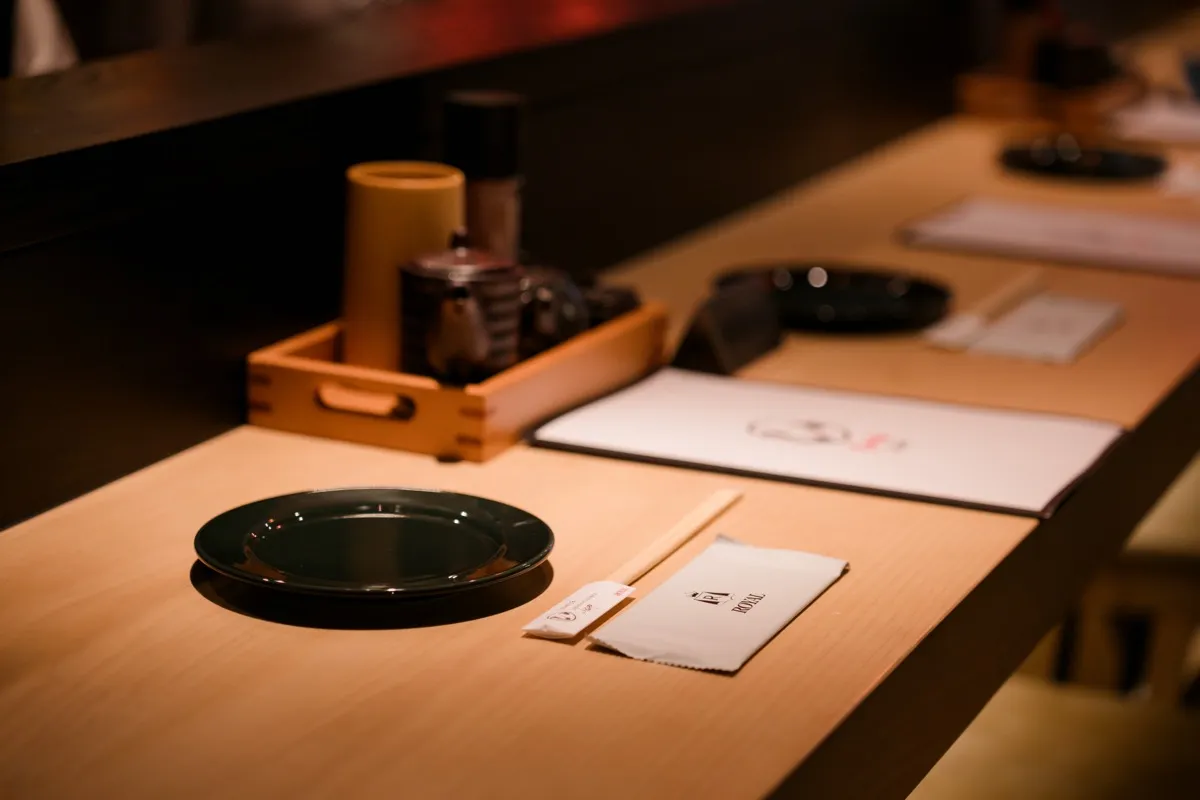
Sumibi Ineya is designed around the counter seat. Watching a sumibi chef work is mesmerizing: the careful placement of each piece over specific heat zones, the precise turning guided by sound and aroma rather than timers, the final rest on a ceramic plate chosen to complement the ingredient’s color and texture.
This is cooking stripped to its essence — fire, ingredient, and the hand of a craftsman.
Reserve Your Seat
Counter seats at Sumibi Ineya are limited. We recommend booking at least 3 days in advance for dinner service.